
Blog

How to Set Weighing Tolerances by Ingredient Type
Learn a 7-day protocol for batching system accuracy: how to set weighing tolerances by ingredient type to cut waste and ensure precision.

Compare Batching System Options: A Practical Guide
Compare automated batching system options for major, minor, and micro ingredients with custom scales and hardware mixing.

How to Choose the Best Grain Data Management System
Compare grain data management system options for monitoring, automation, and enterprise integration in this practical guide.
Precision Weighing and Batch Controller Dust Protection: A Buyer’s Guide
Discover automated weighing dust control solutions for precision batching, safety compliance, and efficiency in bulk handling. Buyer’s guide inside!
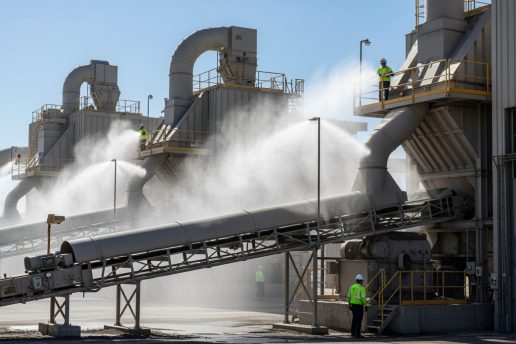
The Complete Guide to Dust Controls
Master dust controls for industrial sites: suppress PM2.5/PM10, boost batching accuracy, ensure OSHA/EPA compliance, and optimize plant performance.

The Ultimate Guide to Bakery Automation
Discover bakery automation: boost throughput, cut scrap & labor costs, ensure consistency with precision batching and robotic systems.

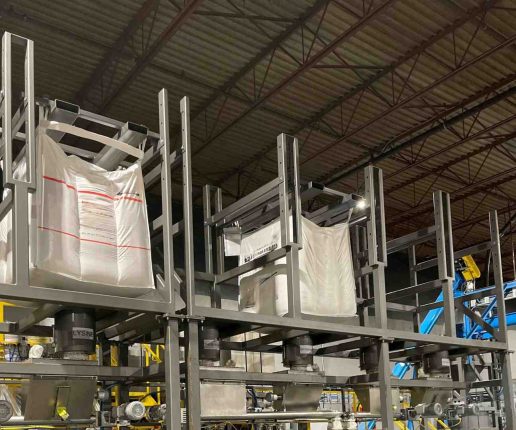
Step-by-Step Guide to Bulk Bag Handling
Master bulk bag handling: Optimize unloading, filling, automation, safety & dust control to boost throughput, cut errors & labor dependency.
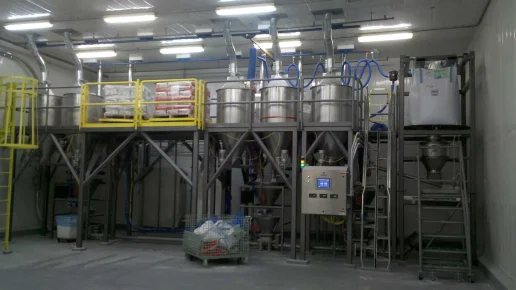
A Comprehensive Guide to Bulk Process Equipment
When we talk about bulk process equipment, we are describing the specialized industrial machinery designed to handle large quantities of materials, specifically dry bulk solids, powders, granules, and even certain liquids.

A Guide to Choosing the Right Pellet Mill
Master pellet mill operations: Boost performance, cut errors & scrap with automation, batching accuracy, and upgrade comparisons for max throughput. This guide covers how pellet mills work, what separates high-performing systems from problem-prone ones, and how automation and batching controls directly improve output quality, reduce waste, and lower labor costs.