
How to Set Weighing Tolerances by Ingredient Type
Why Is Establishing Ingredient-Specific Weighing Tolerances Critical for Batching Accuracy?
Setting weighing tolerances by ingredient type requires segmenting recipe ingredients into structured weight tiers, matching scale resolution, and tuning two-stage feeder cutoffs. Major bulk ingredients (>50 lbs) typically target ±0.5% to ±1.0% tolerance, minor additions (5 to 50 lbs) require ±0.2% to ±0.5%, and high-potency micro ingredients (<5 lbs) demand ±0.1% or tighter. Aligning cutoff thresholds with material flow properties and in-flight compensation prevents off-spec batches, eliminates material giveaway, and maintains plant throughput.
Applying blanket tolerances across an entire formulation causes process failures. A 1% variance on a 2,000-pound bulk load equals 20 pounds, which is often acceptable. However, that same 1% variance on a five-pound dose of active additive can ruin a batch.
When facilities fail to establish ingredient-specific tolerance bands, operational pain points multiply rapidly:
- Formulation failures and batch rejections: Active ingredients dosed outside critical limits cause chemical imbalances, structural flaws, or off-spec finished goods that must be scrapped.
- Over-processing and excessive cycle times: Forcing bulk ingredients into unrealistically tight tolerance bands causes feeders to spend excessive time in slow dribble modes, cutting plant throughput.
- Costly raw material giveaway: Inexpensive bulk materials dosed without optimized cutoff points lead to chronic over-dispensing that erodes operating margins over time.
Calculating the true financial impact of off-spec production extends far beyond discarded raw materials. Understanding The Hidden Cost of Bad Batches involves tracking downtime, disposal logistics, rework labor, and potential regulatory audit penalties.
To resolve these challenges, follow a structured 7-day engineering methodology to systematically categorize materials, audit scale mechanics, tune feeder cutoffs, and lock in verified tolerance bands.
How Can You Implement a 7-Day Protocol to Set Weighing Tolerances by Ingredient Type?
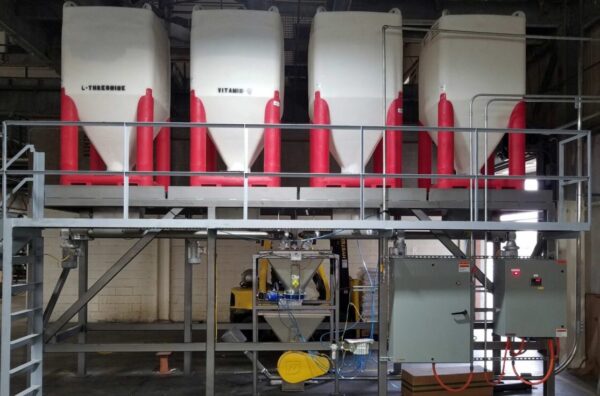
Establishing realistic weighing tolerances requires a balance between process requirements and mechanical capabilities. The following table provides a standard framework for classifying ingredient types across industrial batching systems:
| Ingredient Classification | Batch Weight Range | Target Tolerance Band | Typical Scale Technology | Recommended Feeder Mechanism |
|---|---|---|---|---|
| Major Bulk Ingredients | > 50 lbs (> 25 kg) | ±0.5% to ±1.0% | High-capacity hopper scales, tension load cells | Rotary valves, large single/twin screw feeders |
| Minor Ingredients | 5 to 50 lbs (2 to 25 kg) | ±0.2% to ±0.5% | Mid-range hopper or platform scales | Variable-speed metering augers, vibratory feeders |
| Micro Ingredients | < 5 lbs (< 2 kg) | ±0.1% or tighter | High-resolution micro gain-in-weight / loss-in-weight scales | Precision metering screws, high-frequency vibratory trays |
| Liquid Additives | Variable by recipe | ±0.2% to ±0.5% | Liquid scale vessels or precision flow meters | Positive displacement pumps, fast-acting shutoff valves |
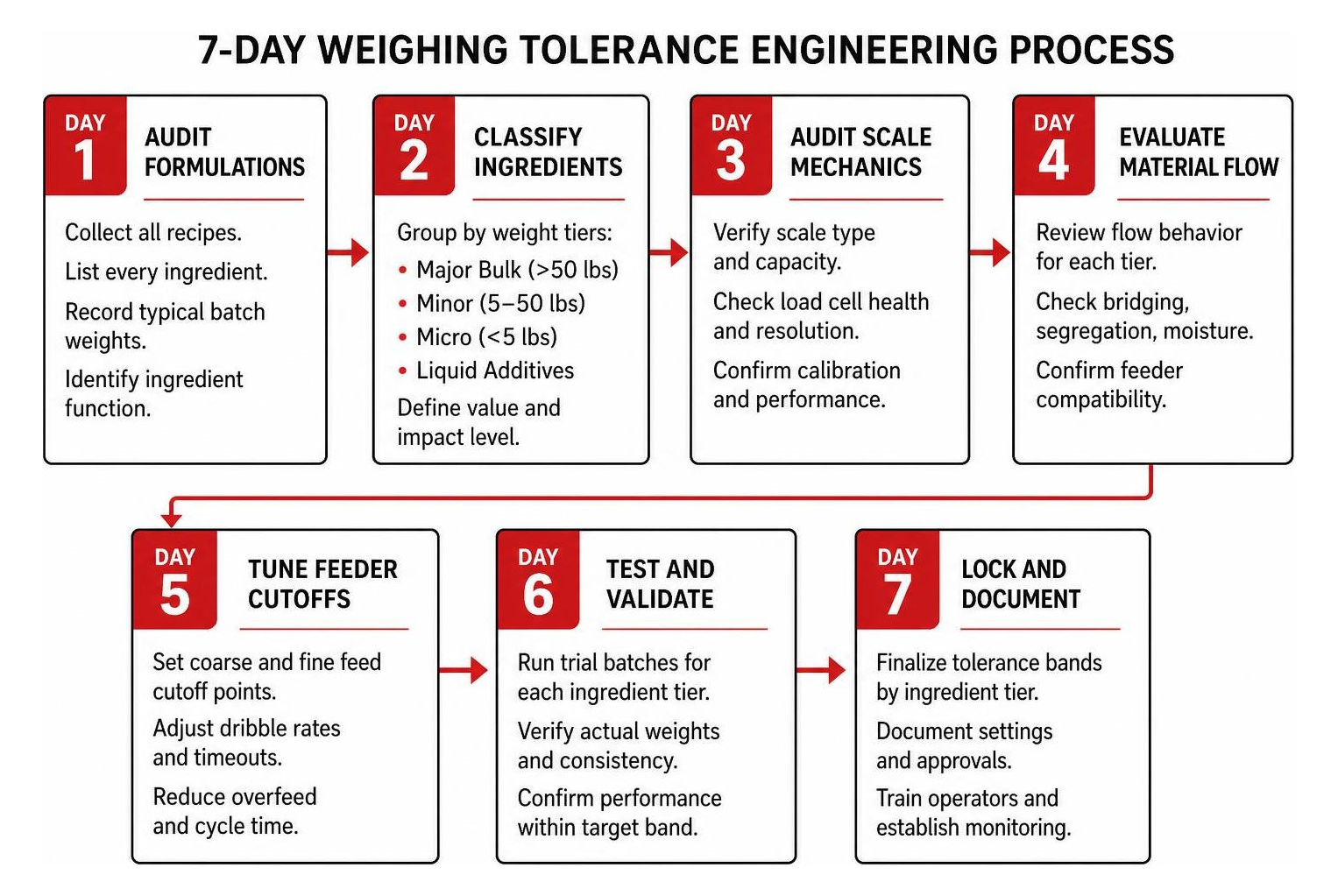
Days 1–2: Classifying Ingredients by Weight Tiers and Value
The first two days focus on auditing formulations and segmenting every recipe component into structured weight and value tiers.
Major Bulk Ingredients
Major ingredients typically make up the foundation of the batch, weighing more than 50 pounds (25 kilograms). These include bulk grains, flours, aggregates, resins, and base liquids. For these materials, target tolerances between ±0.5% and ±1.0% are standard. We configure Minor & Major Weighing Systems to move large volumes rapidly while maintaining cutoff reliability without slowing overall production cycles.
Minor Ingredients
Minor ingredients range from 5 to 50 pounds (2 to 25 kilograms) and include secondary processing aids, bulk mineral pre-mixes, salt, and functional binders. Tolerances for minor additions must be maintained within ±0.2% to ±0.5%. Because these additions influence blend texture, reaction kinetics, and flavor profiles, their tolerance bands must be tighter than base bulk materials.
Micro Ingredients and High-Value Actives
Micro ingredients comprise additions under 5 pounds (2 kilograms), such as concentrated pigments, trace minerals, active pharmaceutical ingredients, enzymes, and specialized chemical catalysts. These ingredients demand precision tolerances of ±0.1% or tighter.
To achieve this level of precision, high-value materials must be isolated into dedicated Micro Weighing Systems equipped with specialized high-resolution load cells.
For facilities managing manual additions, introducing a Hand Prompt Batching Station guides operators through barcode validation, container tare verification, and tight tolerance-controlled hand weighing steps before allowing the material into the mixer.
Days 3–4: Characterizing Material Flow, Bulk Density, and Environmental Factors
Setting an achievable tolerance requires understanding how raw materials behave during handling and how ambient plant conditions influence measurements.
Material Flowability and Bulk Density
Material flow properties directly dictate how cleanly a feeder cuts off product delivery:
- Cohesion and Adhesion: Fine dry powders tend to stick to hopper sidewalls (adhesion) or clump together (cohesion). This can lead to bridging, rat-holing, or sudden rathole collapses that drop uncontrolled slugs of material onto the scale, blowing past tolerances.
- Bulk Density Variations: Aeration during pneumatic conveying lowers bulk density, whereas material settled at the bottom of a silo compacts. If bulk density shifts significantly, volumetric feeder displacement alters the mass flow rate, requiring compensation in the control algorithms.
- Liquid Rheology: For liquid streams, fluid viscosity changes with temperature. Variations in supply line pressure or latency in valve seals will alter shutoff cutoffs if not controlled.
Hygroscopic Materials and Environmental Interference
Hygroscopic ingredients like salt, sugars, and specific chemical compounds pull moisture directly from humid plant air. This increases material weight, causes caking inside feed screws, and alters discharge velocities.
Plant environmental variables must also be addressed. Ambient temperature swings cause physical expansion or contraction of mechanical scale frames, creating sensor drift.
Furthermore, structural vibrations from nearby blenders, hammer mills, or forklift traffic introduce load cell noise. Installing mechanical isolation mounts, using shielded cabling, and following proven engineering practices for Maximizing Accuracy in Material Weighing Systems isolates load cells from physical plant interference.
Days 5–7: Matching Scale Resolution, Feeder Cutoffs, and In-Flight Pre-Act Settings
The final stage of the 7-day protocol connects the physical ingredient properties to scale instrumentation and automated feeding controls.
Scale Capacity, Minimum Weighment, and Resolution
A scale cannot deliver an accurate tolerance if its digital resolution is coarser than the allowable error margin. Load cell resolution defines the smallest detectable weight increment, while minimum weighment dictates the lowest safe mass measurable on that platform.
If you attempt to measure a 0.5-pound micro addition on a 1,000-pound hopper scale with 0.2-pound display graduations, your allowable tolerance will be smaller than the scale’s resolution limits, resulting in digital quantization errors.
Two-Stage Feeder Delivery and In-Flight Compensation
To achieve tight tolerances without extending cycle times, automated feeders must use a two-stage delivery profile:
- Fast Bulk Feed: Feeds at high speed to deliver 80% to 90% of the target batch weight quickly.
- Slow Dribble Feed: Shifts the feeder to a low-speed metering rate to gently deliver the remaining mass up to the target cutoff threshold.
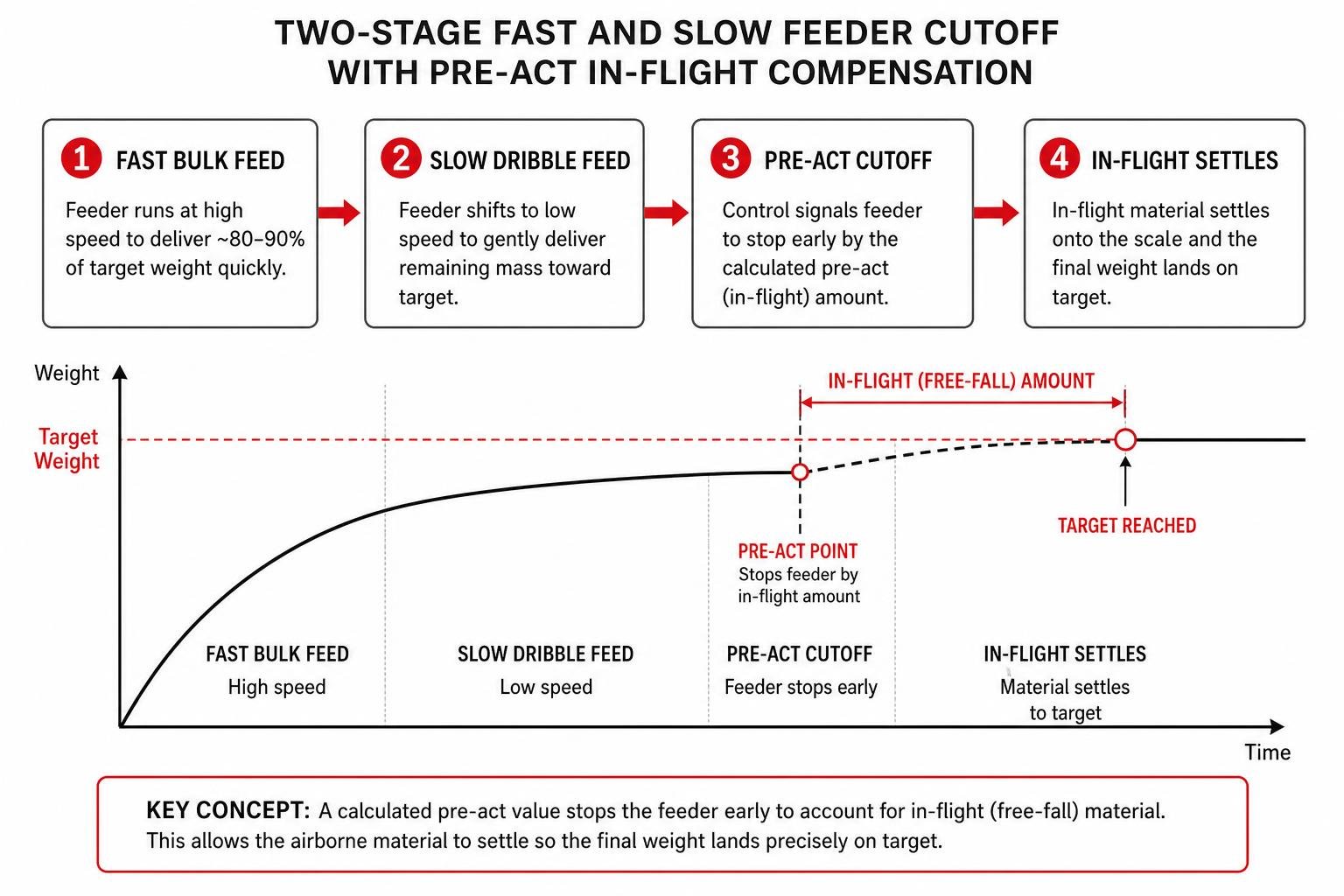
When the feeder mechanism stops, a certain amount of product remains suspended in the air between the discharge point and the scale bed. This is referred to as “in-flight” or “free-fall” material.
The control system must calculate an in-flight pre-act value that signals the feeder to shut down just before the scale reaches the final target weight, allowing the airborne material to settle exactly on target.
Running initial trial batches across specialized Material Weighing Systems allows you to collect empirical data, evaluate standard deviations, and establish process capability indices (Cpk) to verify that your chosen tolerances are consistently repeatable.
How Do You Validate, Maintain, and Dynamically Control Weighing Tolerances Over Time?
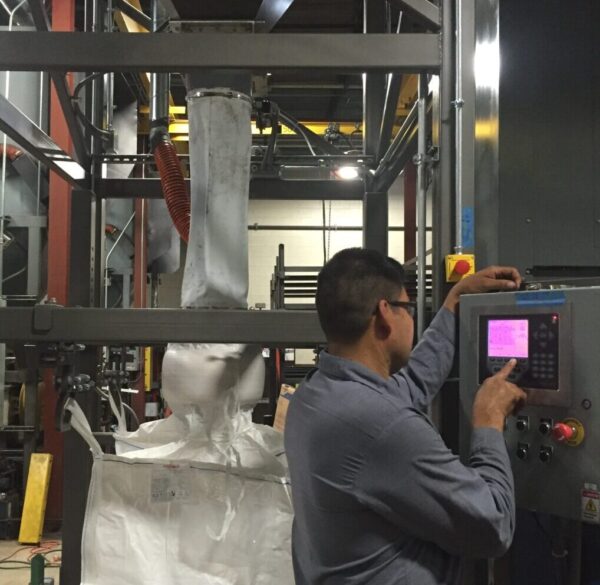
Establishing tolerance limits is not a one-time exercise. Long-term accuracy depends on structured maintenance routines, dynamic automation controls, and integrated data systems.
Implementing Routine Scale Calibration and Maintenance Protocols
Load cells experience wear, mechanical fatigue, and zero-point drift over time. To maintain system integrity, processing facilities must implement rigorous preventative maintenance programs:
- Multi-Point Calibration Verification: Perform scheduled calibrations using certified test weights traceable to NIST Handbook 44 and ISO standards. Testing across the full operating range confirms scale linearity and identifies load cell degradation.
- Tare Verification and Zero-Tracking: Configure the batch controller to verify gross zero and execute tare routines prior to initiating every batch sequence, ensuring leftover residue does not skew subsequent weighments.
- Out-of-Tolerance Interlocks: The control automation must include hard interlocks that immediately stop the batch sequence and sound alarms if a material delivery falls outside defined tolerance bands, preventing bad mixtures from entering downstream processes.
Leveraging Dynamic Automation, In-Flight Compensation, and Traceability
Modern industrial batching controllers eliminate manual adjustment through automated adaptive algorithms. Advanced control software monitors every material discharge, compares the final settled weight to the pre-act cutoff, and automatically trims the in-flight compensation value for the next batch cycle. If material humidity, lot viscosity, or bulk density fluctuates slightly between runs, the system self-corrects dynamically.
Furthermore, integrating plant batch controllers with centralized SQL databases ensures that every single weighment event is recorded with high-resolution timestamps, lot numbers, target weights, actual weights, and operator credentials. Implementing comprehensive Batching Instrumentation with Traceability and Validation allows quality teams to generate electronic batch records (EBR) that satisfy stringent regulatory standards.
Deploying custom-engineered Batching Systems gives manufacturers the hardware precision and software intelligence required to enforce ingredient-specific tolerances automatically.
Whether you are retrofitting existing scale hoppers or designing a greenfield automated batch plant, Sterling Systems & Controls delivers tailored material weighing and process automation solutions that eliminate batch errors and maximize production efficiency.
I invite you to explore custom automated batching and weighing solutions with our engineering team to optimize tolerance control across your manufacturing facility.