
Blog

Industry 5.0: Evolution or Revolution?
In recent years, the term Industry 5.0 has emerged in conversations about the future of manufacturing and automation. Following the wave of digital transformation known as Industry 4.0, Industry 5.0 presents itself as the next stage in the industrial journey—one that emphasizes human-centric technology, sustainability, and mass customization. But is Industry 5.0 truly a revolutionary […]

The Lack of Skilled Process Operations Labor: How Process Automation and Control Helps
We work with manufacturers across the country who are struggling to fill process operations roles. The skilled labor shortage in manufacturing is not just a headline. It is something we see every day. Jobs go unfilled. Turnover stays high. Production slows down or becomes inconsistent. That is why we focus on building process automation and […]

Interconnectivity of Data from Process to Cloud and Process Manufacturing Implementation
Manufacturing is changing fast. Real-time data, cloud connectivity, and predictive AI are setting new standards. We see these shifts as tools you can use today to improve your operations.

Sustainability in Process Manufacturing – Trends and Innovations
At Sterling Systems & Controls, we understand that sustainability is no longer optional. It’s now a necessity for manufacturing companies wanting to meet the expectations of today’s informed consumers. Younger generations demand transparency, ethical responsibility, and environmental mindfulness from the brands they support. Adopting sustainable manufacturing practices benefits the environment while driving long-term operational success.
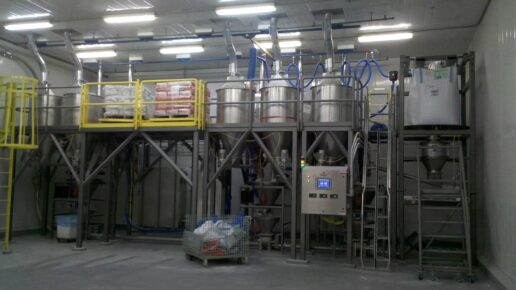
Precision in Food Processing: How Automated Weighing and Ingredient Batching Improve Quality and Efficiency
Food production demands accuracy. Even a slight mistake in measuring ingredients can throw off a recipe, affecting taste, texture, and shelf life. When workers weigh and batch ingredients by hand, mistakes happen, slowing production, creating waste, and sometimes leading to product recalls. Automation takes these problems off the table by making measurements exact and repeatable. […]
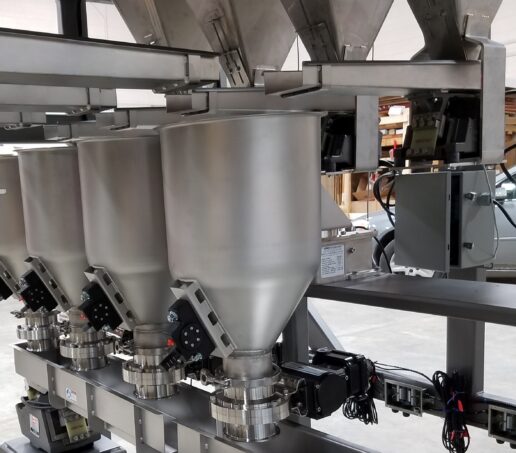
Enhancing Sustainability in Process Manufacturing through Automated Ingredient Batching and Process Control
Sustainable process manufacturing sits at the center of every growth plan today. Rising energy bills, tighter rules, and customer pressure demand fewer mistakes and cleaner output. At Sterling Systems & Controls, we build the automation that helps you hit those marks while keeping production moving.
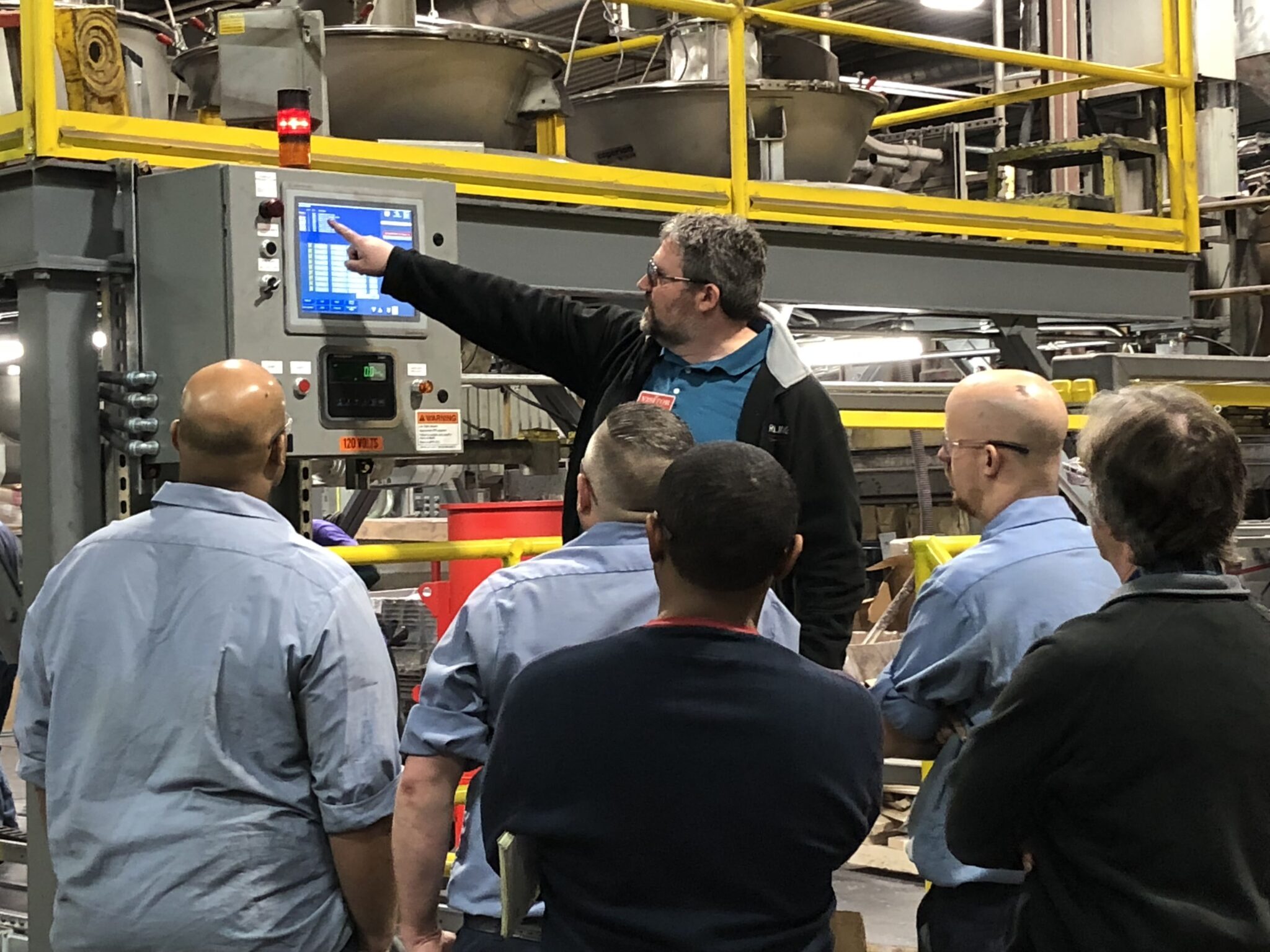
The Importance of Employee Training in Process Automation
As automation transforms manufacturing and industrial processing, the need for skilled workers who can manage and operate advanced systems continues to grow. Technology alone cannot drive efficiency—personnel must understand how to use, maintain, and optimize automated processes. Effective process automation training strengthens productivity, reduces errors, and prepares workers to adapt as technology evolves.

Product Recalls: The Importance of COMPLETE Data Recording and Management in Process Manufacturing
In the food and pet food processing industries, a single product recall can send shockwaves through a business. Recalls threaten consumer trust, tarnish reputations, and, in some cases, even lead to permanent closures. What often separates companies that navigate recalls effectively from those that struggle is one critical factor: data. Specifically, the completeness of data […]

Feeding Fido and Whiskers – How Humanization Is Altering Pet Food Manufacturing
Feeding Fido and Whiskers – How Humanization Is Altering Pet Food Manufacturing The humanization of pets has transformed the pet food industry. More people, especially younger generations, now see their pets as family members, demanding the same level of quality and nutrition in pet food that they expect for themselves. This shift influences everything from ingredient sourcing to manufacturing processes, pushing the industry toward higher automation and precision. The Demand for Better Ingredients Pet owners are more informed than ever about what goes into their pets’ food. They expect natural, organic, and human-grade ingredients. Artificial preservatives and fillers are becoming less acceptable as customers look for transparency. Some brands are even exploring alternative proteins like insects and plant-based sources to meet consumer demand for sustainability and nutritional variety. Producing high-quality pet food consistently requires reliable ingredient handling. Our…