
Agriculture
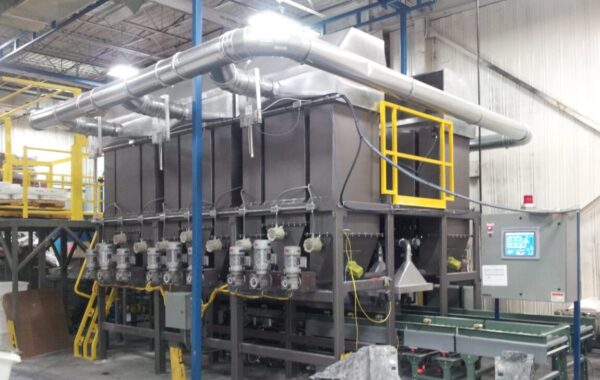
Sterling Systems & Controls provides automation, material handling, and process integration solutions tailored to the agriculture industry. From seed processing and coating to grain handling and agricultural batching systems, Sterling helps producers improve process accuracy, maintain traceability, and enhance operational consistency across a wide range of agricultural applications.
Agricultural operations often involve the movement and processing of dry bulk materials such as grains, seeds, feed ingredients, fertilizers, and coatings. Sterling’s solutions combine controls and automation, batching and weighing systems, and material handling expertise to support precise measurement, secure transfer, and coordinated processing in both standalone subsystems and fully integrated production environments.
Rather than treating control systems, batching, and material handling as separate silos, Sterling approaches agricultural applications holistically—ensuring that measurement, control, and integration work together to optimize performance and reduce variability in day-to-day operations.
Agriculture Industry Applications
Sterling supports a range of agricultural and process applications, including:
- Seed processing and coating automation
- Precision batching for feed and agricultural formulations
- Grain and dry bulk material handling integration
- Weighing systems for ingredient and product verification
- Controls and automation modernization and integration
- Data capture, reporting, and production visibility
These capabilities help agricultural producers maintain consistent formulation accuracy, enhance process control, support regulatory traceability, and streamline production workflows.
Integration with Controls, Batching & Material Handling
Agricultural operations can rely on integrated automation platforms that link batch control, weighing accuracy, and material transfer. Sterling integrates batching and weighing systems with material handling solutions such as conveyors, elevators, and bulk bag handling to support coordinated agricultural workflows.
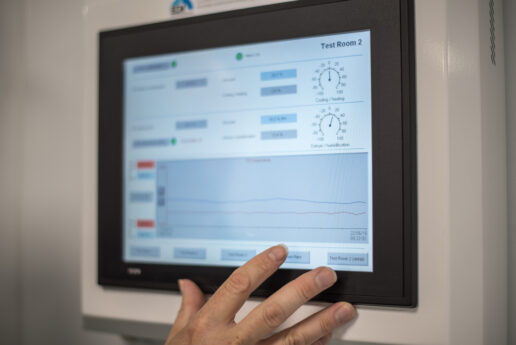
Controls and automation capabilities can be tailored to agriculture processes such as seed coating, feed formulation, grain transfer, and blending. Automation logic, recipe management, and operator interfaces improve consistency while reducing manual intervention and variability across repeated tasks.
Design, Implementation & Lifecycle Support
Sterling supports agricultural projects from early application evaluation through system design, testing, commissioning, and operator training. By delivering controls, automation, batching, and material handling integration under a single project scope, Sterling helps agriculture customers reduce implementation risk and achieve dependable long-term performance.
Frequently Asked Questions
What agriculture applications does Sterling support?
Sterling supports seed processing, grain handling, batching for feed and agricultural formulations, weighing systems, and process automation for agricultural production environments.
Can Sterling integrate new automation with existing equipment?
Yes. Sterling’s controls and automation solutions can integrate with existing equipment such as conveyors, dryers, mixers, and packaging systems for agriculture workflows.
How do batching and weighing systems benefit agricultural operations?
Batching and weighing systems improve formulation accuracy, reduce variability, and support consistent measurement of ingredients and product output.
Does Sterling provide data capture and reporting for agriculture processes?
Yes. Systems can capture production data, batch execution details, and ingredient traceability information to support quality control and operational insight.
Does Sterling provide support after installation?
Sterling provides testing, commissioning, training, and ongoing technical support to help agriculture customers maintain reliable system operation.
Agriculture
What is the Agriculture Industry?
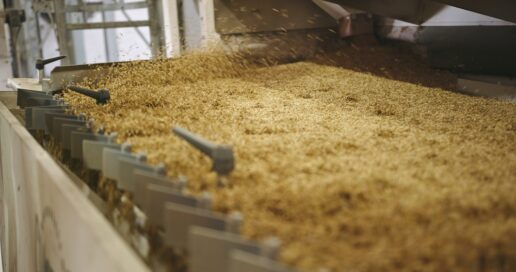
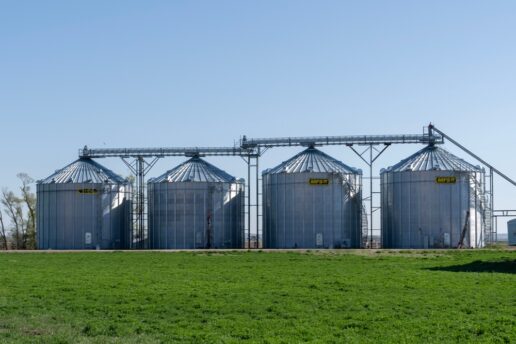
Agriculture, known also as husbandry or farming, is the science of cultivating plants, animals, and other life forms for food, fiber, and fuel. The agriculture industry, which includes enterprises engaged in growing crops, raising fish and animals, and logging wood, encompasses farms, dairies, hatcheries, and ranches. Our application review focuses on grain storage, handling, and processing only, leaving Animal Feed Mill applications discussed elsewhere.
The agriculture industry is extremely important globally (including all market segments) and is one of the largest industry groups in the United States. Agricultural industries contributed $1.42 trillion to the U.S. Gross Domestic Product (GDP) in 2022, a 5.5 percent share. The output of America’s farms contributed $223.5 billion of this sum—about 0.9 percent of GDP.